Traditional supply chain planning models that adhere to calendars and intervals no longer work in today’s disruptive environment. The problem is that volatility doesn’t wait for meetings, and planners typically spend more time looking in the rearview mirror than looking ahead. Plans are outdated by the time they are executed, and efforts are spent responding to and managing changes rather than optimizing the supply chain.
For years, many companies thought the answer was to improve forecast accuracy by refining models, adding more data points, and investing in better statistical tools. However, this only helps make better predictions within a broken framework. The real solution is to rethink the entire supply chain planning process and create a dynamic, insight-driven collaboration powered by artificial intelligence.
The High Cost of Traditional Calendar-Based Decision-Making
Traditional planning models take a backward-looking approach that has become increasingly ineffective and irrelevant in today’s fast-paced business environment. The biggest problem is latency. When supply chain planners base their plans on monthly or quarterly cadences, they usually have to delay actions until the next scheduled meeting. Signals that may require an immediate response often have to wait weeks for review or consideration, creating delays that compound the risks. Industry resources indicate that supply chain planners typically experience two to four weeks of latency before a perceived change in demand is acted upon. After that, it can take up to 180 days for an organization to fully understand and incorporate changes in buying patterns by end consumers.
Static artifacts can also create another weakness in the models. Planners have scraped by for years on slides and spreadsheets. However, these tools only freeze moments in time, capturing reality as it existed when they were created, without explaining what changed afterward. Meanwhile, market conditions are constantly shifting, and when they do, leaders need up-to-date views to make informed decisions.
This combination of latency and inflexibility leaves planners in a perpetually reactive catch-up mode. They are always one step behind the market, chasing yesterday’s issues while new issues and changes continue to form.
In addition to latency and the backward-looking approach, traditional planning methods suffer from fragmented perspectives across the organization. Different departments and functional areas of the business tend to model separate realities based on their individual objectives. Sales teams may push for upside and often over-forecast to satisfy management’s expectations while finance focuses on protective margins and controlling working capital. Meanwhile, the operations department usually prioritizes defending service levels and production efficiency.
It’s almost impossible to achieve strong collaboration and consensus when each team operates with its own goals and assumptions scattered across different spreadsheets and systems. Teams typically spend countless hours in reconciliation meetings, trying to bring disparate views into harmony. And as each department defends its own position and priorities, decisions linger, and trust suffers because no one can see the full picture. Stakeholders often put departmental self-interest over organizational goals, making the process more of a political exercise than a strategic one.
From Data Snapshots to Live, Explainable Insights
To overcome these endemic problems, organizations must fundamentally rethink how supply chain planning works. They need to move from number-based, static forecasting and planning processes to dynamic, insight-driven collaboration powered by artificial intelligence.
Live, explainable insights are far more powerful for decision-making and planning than dated snapshots. As AI makes the logic behind numbers visible to all stakeholders, it dramatically shifts the nature of planning conversations. Instead of defending departmental forecasts or debating whose numbers are correct, teams can now focus on determining the next best action based on shared understandings.
This transparency eliminates the frustrating and time-consuming process of establishing consensus between cross-functional siloes. When everyone can see the same building blocks, such as the underlying assumptions, drivers, and market signals, they’re less inclined to game the system for their own needs and more likely to engage in genuine problem-solving. Visibility enables marketing to see how their promotional plans interact with sales forecasts and for finance to see the operational impacts of budget decisions. It puts everyone on the same page with clear insights into how all individual decisions impact the entire organization.
Synchronizing Decisions to Signals
The greatest shift comes from moving beyond arbitrary planning calendars that synchronize decisions with predetermined meeting schedules to aligning decisions with actual market events. Instead of waiting for a date on the calendar, teams can act immediately when assumptions change.
This helps align the plan with the market’s cadence, enabling the organization to respond to competitor actions, supply disruptions, or economic shifts as they occur, not weeks later in the next planning cycle. For example, when a promotion performs differently than expected, that information becomes immediately available, and when consumers’ buying patterns shift, the signal is instantly captured and translated into actionable intelligence. It moves planning from a traditional periodic exercise to a continuous, adaptive process.
Having this cross-functional visibility also reduces politics and departmental self-interest. By operating on shared digital insights rather than competing spreadsheets, the entire organization can access the same information in formats they can understand and work with. The sales department no longer has to be in the predicament of telling finance it forecasts 20 units while informing the supply chain it needs 40 to ensure sufficient stock. Everyone involved can see the customer details, actual orders, and demand drivers in a unified view. This transparency fosters accountability and honest dialogue grounded in facts rather than assumptions and posturing. Teams can openly discuss trade-offs, understand how decisions in one area impact others, and shift the focus from defending positions to optimizing organizational outcomes.
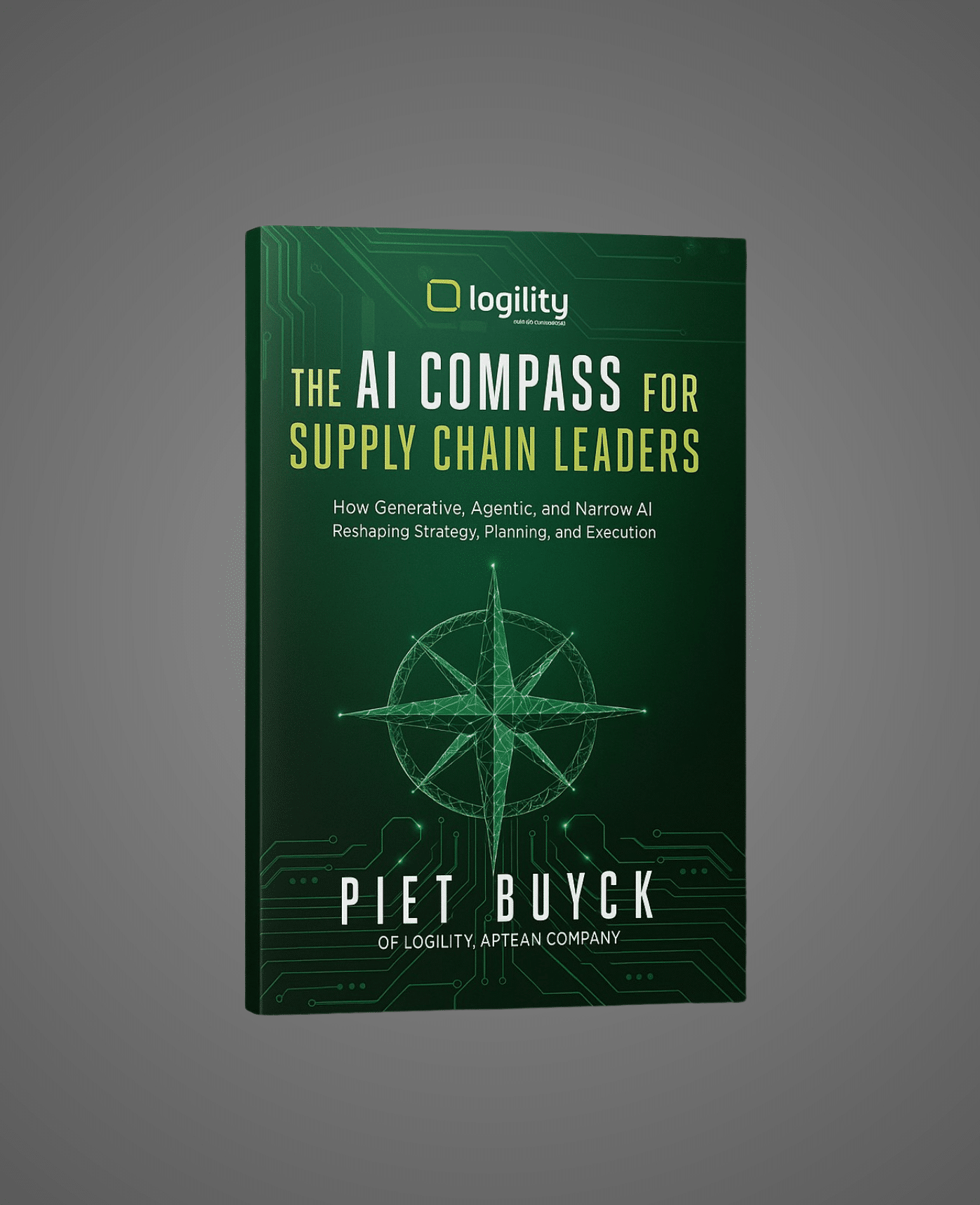
Read Piet’s new book, The AI Compass for Supply Chain Leaders
The AI Compass for Supply Chain Leaders introduces a bold new approach where artificial intelligence and human insight work hand-in-hand to drive faster, smarter, and more resilient decisions. Drawing on groundbreaking research and real-world applications, this book reveals how leading organizations are transforming their planning processes to thrive in uncertainty.
Get Digital CopyConclusion
In the age of volatile markets and growing supply chain disruption, organizations can no longer scrape by with rigid calendar-based planning methods. As the gap between planning cycles and market reality continues to widen, planners will be perpetually trapped in a reactive state of struggling to maintain alignment across functions.
AI-enabled, living plans offer supply chain planners a means to fundamentally change their approach. By keeping decisions contextual and current, they improve the resilience of operating models in the face of constant change. Those that modernize their planning capabilities can improve service levels, free up capacity trapped in inefficient processes, and regain control of their supply chains. The question is no longer whether supply chain organizations need to evolve beyond traditional planning, but how quickly they can make the transition before their competitors gain an insurmountable advantage.